Foliage Frame Layer: A Versatile Design Tool for Creative Projects
For those involved in graphic design, crafting, or digital art, the Foliage Frame Layer offers a unique and practical solution for creating intricate, nature-inspired designs. This digital asset is particularly valuable for individuals who work with cutting machines such as the Silhouette Studio Cameo or Cricut, as it provides high-quality, scalable files that can be customized to fit a wide range of projects. Whether you're a hobbyist, a professional designer, or someone looking to add a touch of natural beauty to your creations, understanding what the Foliage Frame Layer entails and how it can be used is essential.
What Is the Foliage Frame Layer?
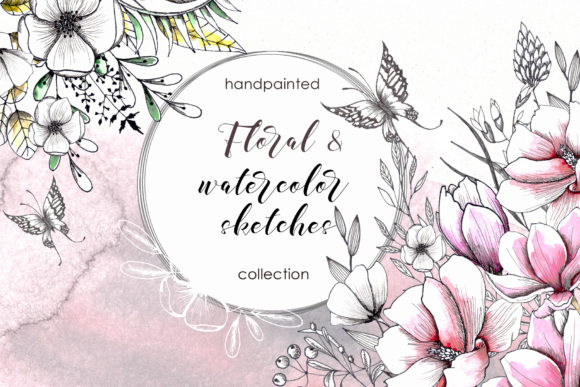
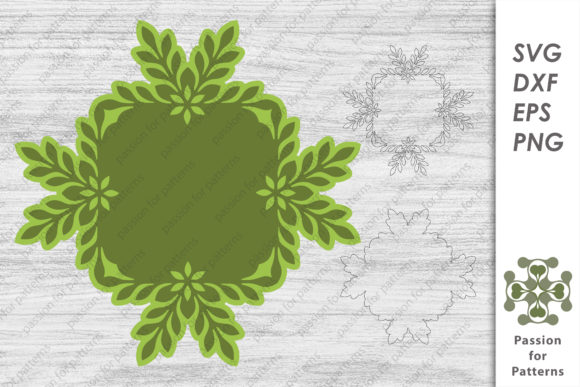
The Foliage Frame Layer is a digital design file that features a detailed, nature-themed frame, often incorporating elements like leaves, vines, and floral patterns. It is designed to serve as a decorative background or border for various creative applications. The original images come without any background or watermark, ensuring that they are clean and ready for use in different contexts.
This layer is available in multiple file formats, including SVG, EPS, DXF, and PNG. Each format has its own advantages, making it easy to choose the one that best suits your needs. These files are typically provided in a single zip file, which includes all the necessary versions for different uses.
Understanding the File Formats
Each file format has specific characteristics that make it suitable for different purposes:
- SVG (Scalable Vector Graphics): This format is ideal for digital design and cutting machines. It includes cut lines, allowing for precise cutting, and the color can be added later. SVG files are scalable without losing quality, making them perfect for resizing to fit any project.
- EPS (Encapsulated PostScript): Similar to SVG, EPS files also include cut lines and offer unlimited resizing without quality loss. They are widely used in professional design environments and are compatible with most vector-based software.
- DXF (Drawing Exchange Format): This format is commonly used in CAD (Computer-Aided Design) software. It contains only cut lines, making it useful for precise cutting applications but not for adding color directly.
- PNG (Portable Network Graphics): Unlike the vector formats, PNG is a raster image format. It provides high-quality, transparent background images at 300ppi, making it suitable for digital printing and web use.
Why Use the Foliage Frame Layer?
The Foliage Frame Layer is more than just a decorative element; it serves a variety of practical functions in both personal and professional settings. Its versatility makes it a valuable tool for designers, crafters, and artists who want to incorporate natural elements into their work.
One of the main benefits of using this layer is its scalability. Since SVG, EPS, and DXF files are vector-based, they can be resized without any loss of quality. This means you can use the same design for small projects, like greeting cards, or large-scale applications, such as signage or banners.
Compatibility With Cutting Machines
The Foliage Frame Layer is specifically designed to work with cutting machines like the Silhouette Studio Cameo and Cricut. These devices require precise cut lines to produce accurate results, and the inclusion of these lines in the SVG, EPS, and DXF files ensures that your designs will be cut correctly.
For example, if you're creating a custom wedding invitation, you can use the Foliage Frame Layer as a border, add your text, and then send the file to your cutting machine to produce the final product. This process saves time and ensures consistency in your designs.
How to Use the Foliage Frame Layer
Using the Foliage Frame Layer involves a few simple steps. First, download the zip file containing the different file formats. Then, choose the format that best suits your project. For instance, if you're working with a cutting machine, you'll likely want to use the SVG or EPS version, as they include cut lines and allow for color customization.
If you're using the PNG version, you can easily import it into graphic design software like Adobe Photoshop or Illustrator for further editing. The transparent background makes it easy to place the foliage frame on top of other images or backgrounds without any unwanted white space.
Customizing Your Design
One of the greatest advantages of the Foliage Frame Layer is the ability to customize it. While the original files may come with a specific color scheme, you can change the colors to match your project's theme. This flexibility allows you to create unique designs that reflect your personal style or brand identity.
For example, if you're designing a seasonal card, you could adjust the colors to reflect the season—green and gold for autumn, pastels for spring, or bold reds and whites for winter. This level of customization ensures that your designs are not only beautiful but also relevant to the occasion.
Common Misconceptions About Foliage Frame Layers
Despite their usefulness, there are some common misconceptions about Foliage Frame Layers that users may encounter. One of the most frequent misunderstandings is that they are only suitable for certain types of projects. In reality, these layers can be used in a wide range of applications, from home decor to commercial products.
Another misconception is that the files are difficult to work with. However, since they are available in multiple formats and include clear cut lines, they are relatively easy to use, even for beginners. As long as you have the right software or cutting machine, you can start using the Foliage Frame Layer immediately.
Conclusion
The Foliage Frame Layer is a powerful and flexible design tool that can enhance a wide range of creative projects. With its availability in multiple file formats, compatibility with cutting machines, and customizable options, it offers a practical solution for both hobbyists and professionals. Whether you're looking to add a touch of nature to your artwork, create custom invitations, or design promotional materials, the Foliage Frame Layer is an excellent choice.
By understanding the different file formats and how to use them effectively, you can unlock the full potential of this design element. With the right tools and a bit of creativity, the Foliage Frame Layer can become a valuable addition to your design toolkit, helping you bring your ideas to life with ease and precision.