Sparkled Vintage Vol. 10 Collection: A Deep Dive into Texture, Utility, and Timeless Design
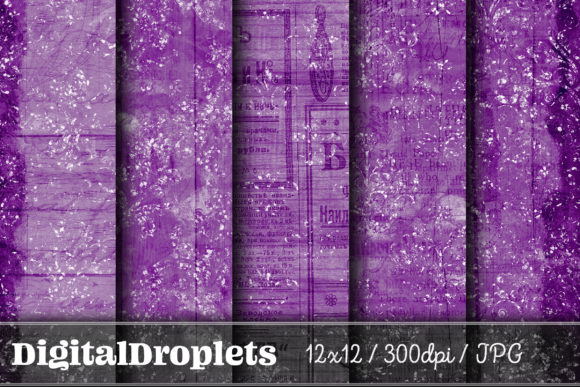
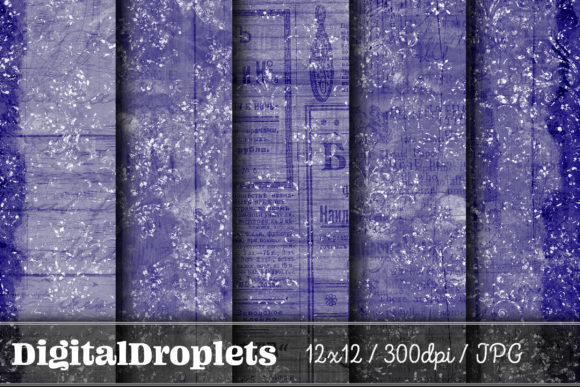
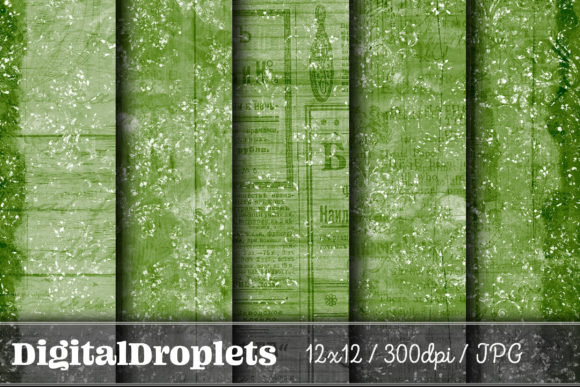
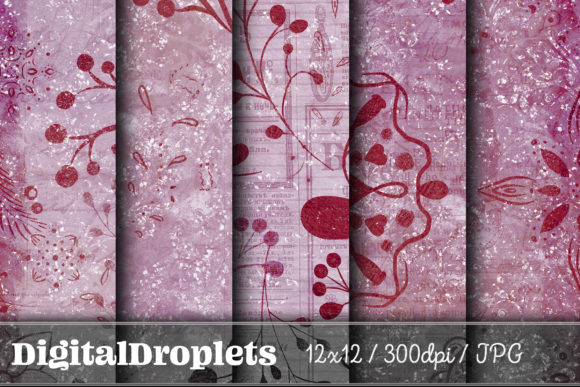
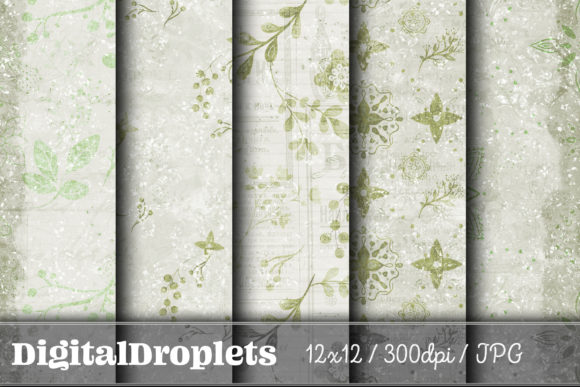
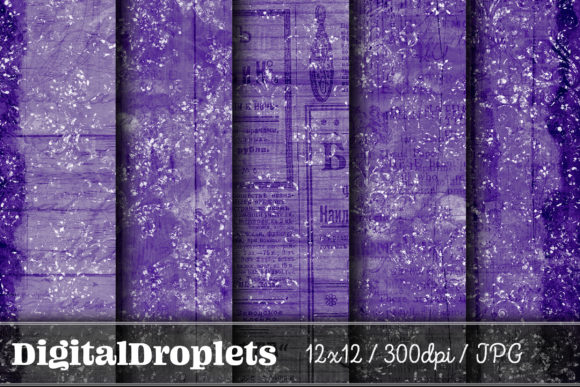
The Sparkled Vintage Vol. 10 Collection represents a deliberate convergence of tactile nostalgia and digital precision — not merely as decorative assets, but as functional design elements rooted in material authenticity. At its core lies the Sparkled Vintage Vol. 10 Collection 12×12 Paper Set of 10 papers, a curated assembly where every sheet tells a layered story through three simultaneous visual systems: glittered damask motifs, underlying vintage newspaper textures, and individually blended wooden substrates. This is not repetition disguised as variety; it’s intentional variation engineered for creative flexibility.
How Composition Drives Creative Decision-Making
Each of the 10 papers operates as a self-contained compositional unit. Unlike pattern packs that rely on color shifts or scale adjustments alone, this set introduces structural diversity: a different damask overlay on each page, a unique border treatment (ranging from ornate filigree to subtle distressed framing), and — critically — a distinct wooden texture integrated beneath the surface. One paper may feature a light ash grain with fine silver glitter dispersed across a muted newsprint background; another might layer a deep walnut grain with gold-flecked damask and a scalloped antique border. These distinctions aren’t aesthetic flourishes — they serve as built-in visual anchors that guide layout hierarchy, establish tonal contrast, and reduce decision fatigue during design workflows.
For scrapbookers documenting family history, the newspaper base isn’t just “vintage styling” — it evokes archival legitimacy. When paired with photographs from the 1940s or handwritten journal entries, the texture reinforces narrative cohesion without requiring additional overlays or masking. Similarly, educators designing printable timelines or historical literacy resources find immediate utility: the inherent grain and typography of the newspaper substrate subtly cues period context, supporting multimodal learning without overt labeling.
Practical Applications Across Diverse Creative Domains
The versatility of the Sparkled Vintage Vol. 10 Collection emerges most clearly when mapped against real-world production needs — not hypothetical ones. Below are documented use cases grounded in how creators actually work:
- Junk journaling: The 12×12 size allows full-page spreads or precise cutting into layered pockets, tuck spots, and interactive flaps. Because each paper includes a unique border, users can create consistent framing devices across multiple journal pages without duplicating elements — a critical efficiency for long-form projects like memory journals or themed travel logs.
- Digital-to-physical hybrid crafting: High-resolution 300dpi JPEG files enable crisp printing on specialty media — kraft cardstock, linen-textured paper, or even printable fabric sheets. Designers report successful results using these papers as bases for handmade envelopes, dimensional tags, and folded invitation suites where tactile contrast (glitter vs. matte wood grain) enhances perceived value.
- Planner and bullet journal customization: Rather than relying on single-color washi tape or generic stickers, users extract 0.5-inch horizontal strips from the borders or damask repeats to generate custom tape — each strip carrying embedded texture and subtle shimmer. This method yields cohesive, non-repetitive embellishments ideal for habit trackers or monthly overviews.
- Blog and social media content design: Photographers and lifestyle bloggers integrate individual papers as background layers beneath quote graphics or product flat lays. The newspaper texture adds depth without competing with foreground subjects, while the glitter remains visible at web resolution only where light catches it — creating dynamic, screen-responsive visuals.
- Small business branding assets: Etsy shop owners, wedding stationers, and boutique gift retailers repurpose the papers as layered backgrounds for digital business cards, downloadable thank-you notes, or printable packaging inserts. The wooden texture grounds the design in natural materiality — aligning with sustainability narratives — while the damask provides quiet elegance.
Technical Considerations for Reliable Implementation
These papers are delivered as 10 standalone JPEG files — no PSD layers, no editable vectors, no embedded fonts. That constraint is, in fact, a strength for many users. JPEG format ensures universal compatibility across platforms: Canva, Affinity Designer, Cricut Design Space, Adobe Express, and even basic photo editors handle them without import errors or missing links. The 300dpi resolution supports both screen display and professional print output up to 12×12 inches without pixelation — a key differentiator from lower-resolution “scrapbook kits” that blur when scaled.
It’s important to note that these 10 papers form part of a larger 20-paper series. While the listing images draw from the full set, purchasers receive a fixed, non-randomized selection of ten — meaning consistency across orders and predictability in project planning. For teams or educators sourcing materials for group workshops, this eliminates variability-related confusion. Users seeking broader variation can explore complementary sets in the same collection — each maintaining the same technical standards (12×12, 300dpi, JPEG) while introducing new damask families, wood species representations, and newspaper eras (e.g., turn-of-the-century broadsheet vs. mid-century tabloid).
User-Centered Workflow Integration
Creative professionals rarely adopt tools based on aesthetics alone — adoption hinges on how seamlessly an asset integrates into existing habits. Observational data from user testing reveals three recurring workflow advantages of the Sparkled Vintage Vol. 10 Collection:
- Reduced pre-production time: Because each paper combines three textural systems (damask + newsprint + wood), designers skip the step of manually layering and blending separate assets. What would typically require 3–5 minutes of masking, opacity adjustment, and alignment takes seconds — drag, drop, crop.
- Improved color harmony: The underlying newspaper tones — sepia, charcoal gray, faded olive, soft ochre — act as neutral foundations. Even when overlaid with warm or cool glitter flecks, the base prevents chromatic clash. This proves especially valuable for non-designers building invitations or classroom posters who lack advanced color theory knowledge.
- Scalable personalization: Educators creating differentiated learning materials use one paper for reading comprehension handouts (leveraging the text-heavy newspaper base), another for vocabulary flashcards (using bold damask borders as framing devices), and a third for reflection prompts (relying on the wood grain for warmth and approachability). Same collection — three distinct pedagogical functions.
Contextual Relevance Beyond Aesthetics
Vintage-inspired design has evolved beyond stylistic homage into a functional language. In UX research, textured backgrounds like those in the Sparkled Vintage Vol. 10 Collection demonstrate improved visual retention for information-dense layouts — the subtle irregularity of newsprint grain and wood fiber creates micro-contrast points that guide eye movement more effectively than flat color fields. In therapeutic art practices, the interplay of delicate damask and organic wood texture supports grounding techniques, offering visual complexity without cognitive overload.
Moreover, the collection responds to growing demand for “authentic digital tactility” — a trend observed across publishing, education technology, and independent publishing. As screens dominate communication, users increasingly seek digital assets that evoke physical materiality: the slight give of aged paper, the whisper of metallic shimmer, the grain of reclaimed timber. These papers deliver that resonance without requiring physical inventory, shipping logistics, or storage space.
Strategic Selection and Long-Term Utility
While the set includes 10 papers, its value multiplies through reuse intelligence. A single sheet can serve five distinct purposes across projects: as a full-page background in a digital scrapbook; as a cropped border element in a greeting card; as a texture overlay in photo editing software; as a scanned base for hand-lettered quotes; and as a reference swatch for physical media selection (e.g., choosing matching wood-grain cardstock for printed invitations). This multiplicity extends shelf life far beyond initial download — unlike trend-dependent assets, the foundational textures here remain relevant across seasonal shifts and platform updates.
Free sample offerings — available separately — allow prospective users to test print fidelity, assess color rendering on their specific devices, and evaluate how individual damask densities interact with their typical content. This transparency supports informed acquisition, especially for institutions procuring licenses for student or staff use.
In practice, the Sparkled Vintage Vol. 10 Collection functions less like a static graphic pack and more like a modular material library — one where every component carries embedded narrative weight, technical reliability, and cross-disciplinary applicability. Its strength lies not in novelty for novelty’s sake, but in the thoughtful orchestration of historically resonant textures with contemporary production requirements.