Flexible Foil Pouch Packaging Mockup: A Modern Tool for Branding and Design
In today’s fast-paced and visually driven market, the way a product is presented can make all the difference. Flexible foil pouch packaging mockups have become an essential tool for designers, marketers, and entrepreneurs looking to showcase their brand identity effectively. These mockups offer a realistic and dynamic way to visualize how a product will look in its final form, making them invaluable for branding, marketing, and packaging design.
What Is a Flexible Foil Pouch Packaging Mockup?
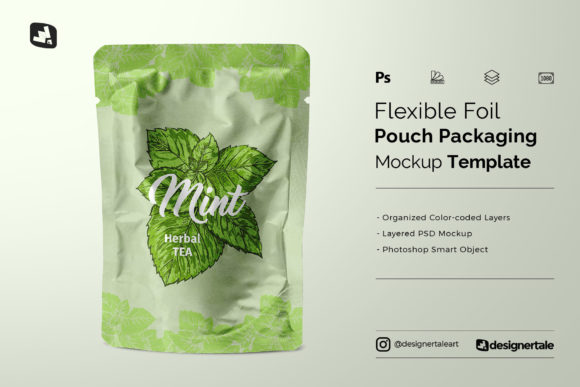
A flexible foil pouch packaging mockup is a digital representation of a product package designed to mimic the look and feel of real-world materials. It allows users to see how logos, patterns, and graphics will appear on the actual packaging before it goes into production. This type of mockup is especially useful for businesses that want to test different design elements without the cost of physical prototypes.
The mockup typically features a clear surface that highlights every detail of the design, from textures to color gradients. This level of realism helps creators and clients understand the final outcome with greater accuracy. The high-resolution artboard—6000 x 4000 pixels—ensures that even the smallest details are visible, while the 300dpi image quality maintains sharpness and clarity.
Why Flexible Foil Pouch Packaging Mockups Matter
The relevance of flexible foil pouch packaging mockups has grown alongside the increasing demand for personalized and eye-catching product packaging. As consumers become more discerning, brands must find innovative ways to stand out. These mockups provide a practical solution by allowing designers to experiment with different visual elements quickly and efficiently.
For small businesses and startups, this tool can be a game-changer. It reduces the need for expensive physical samples and streamlines the design approval process. Marketers can use these mockups to create compelling visuals for social media, e-commerce listings, and advertising campaigns, ensuring consistency across all platforms.
Trends and Evolving Needs in Packaging Design
Packaging design has evolved significantly over the years, moving beyond basic functionality to become a key component of brand storytelling. Today’s consumers expect packaging that not only protects the product but also reflects the brand’s values and aesthetics. Flexible foil pouch packaging mockups align perfectly with this shift, offering a versatile platform for creative expression.
With the rise of online shopping, the importance of attractive and informative packaging has never been higher. A well-designed package can enhance the unboxing experience, leaving a lasting impression on customers. Mockups like the flexible foil pouch allow designers to explore various styles and layouts, ensuring that the final product meets both aesthetic and functional requirements.
Practical Implications for Designers and Businesses
For designers, the flexibility of these mockups means they can work more efficiently and creatively. The organized layers and color-coded smart objects simplify the editing process, making it easier to adjust colors, add graphics, or modify text. This level of editability ensures that designs can be tailored to meet specific brand guidelines or client preferences.
Businesses benefit from the time and cost savings associated with using these mockups. Instead of producing multiple physical samples, teams can review and approve designs digitally. This not only speeds up the workflow but also reduces waste and resource consumption. For companies aiming to maintain a sustainable approach, this is a significant advantage.
How to Make the Most of a Flexible Foil Pouch Packaging Mockup
To get the best results from a flexible foil pouch packaging mockup, it’s important to understand its features and capabilities. The included guide video is a valuable resource that walks users through the process, helping them navigate the software and make the most of the available tools. Whether you’re a seasoned designer or a beginner, this support can make a big difference in the quality of your output.
One of the key benefits of these mockups is their adaptability. They can be used for a wide range of products, from food and beverages to personal care items and household goods. By experimenting with different designs, businesses can identify what resonates most with their target audience. This iterative approach can lead to more effective packaging solutions that drive customer engagement and loyalty.
Realistic Examples and Recommendations
Consider a small coffee roaster looking to launch a new line of single-serve coffee pouches. Using a flexible foil pouch packaging mockup, they can test various logo placements, color schemes, and label designs before committing to production. This allows them to gather feedback from stakeholders and make informed decisions based on visual impact rather than assumptions.
Another example could be a skincare brand aiming to create a premium packaging design. With the help of a mockup, they can experiment with metallic finishes, embossed textures, and intricate patterns to achieve a luxurious look. The ability to preview these elements digitally ensures that the final product meets the brand’s high standards.
Conclusion: Embracing the Future of Packaging Design
The flexible foil pouch packaging mockup represents a powerful tool in the evolving landscape of product design and marketing. Its combination of realism, versatility, and ease of use makes it an essential asset for professionals and businesses alike. As consumer expectations continue to grow, the ability to create visually compelling and functional packaging will remain a critical factor in success.
By leveraging the features of a flexible foil pouch packaging mockup, designers and brands can streamline their workflows, reduce costs, and deliver high-quality results. Whether you’re launching a new product or rebranding an existing one, this tool offers a practical and effective way to bring your vision to life. As the industry moves forward, embracing such innovations will be key to staying competitive and meeting the needs of modern consumers.